
Understanding the Remarkable Durability of Modern Dental Implants
The human mouth presents one of the most challenging environments for any medical device. Daily exposure to temperature fluctuations, acidic substances, bacterial colonies, and mechanical forces that can exceed 200 pounds per square inch would compromise most materials within months. Yet dental implants Northern Ireland routinely survive these conditions for decades, maintaining their structural integrity whilst performing the vital functions of natural teeth. This remarkable achievement stems from careful material selection, sophisticated engineering principles, and an understanding of how biological systems interact with artificial structures.
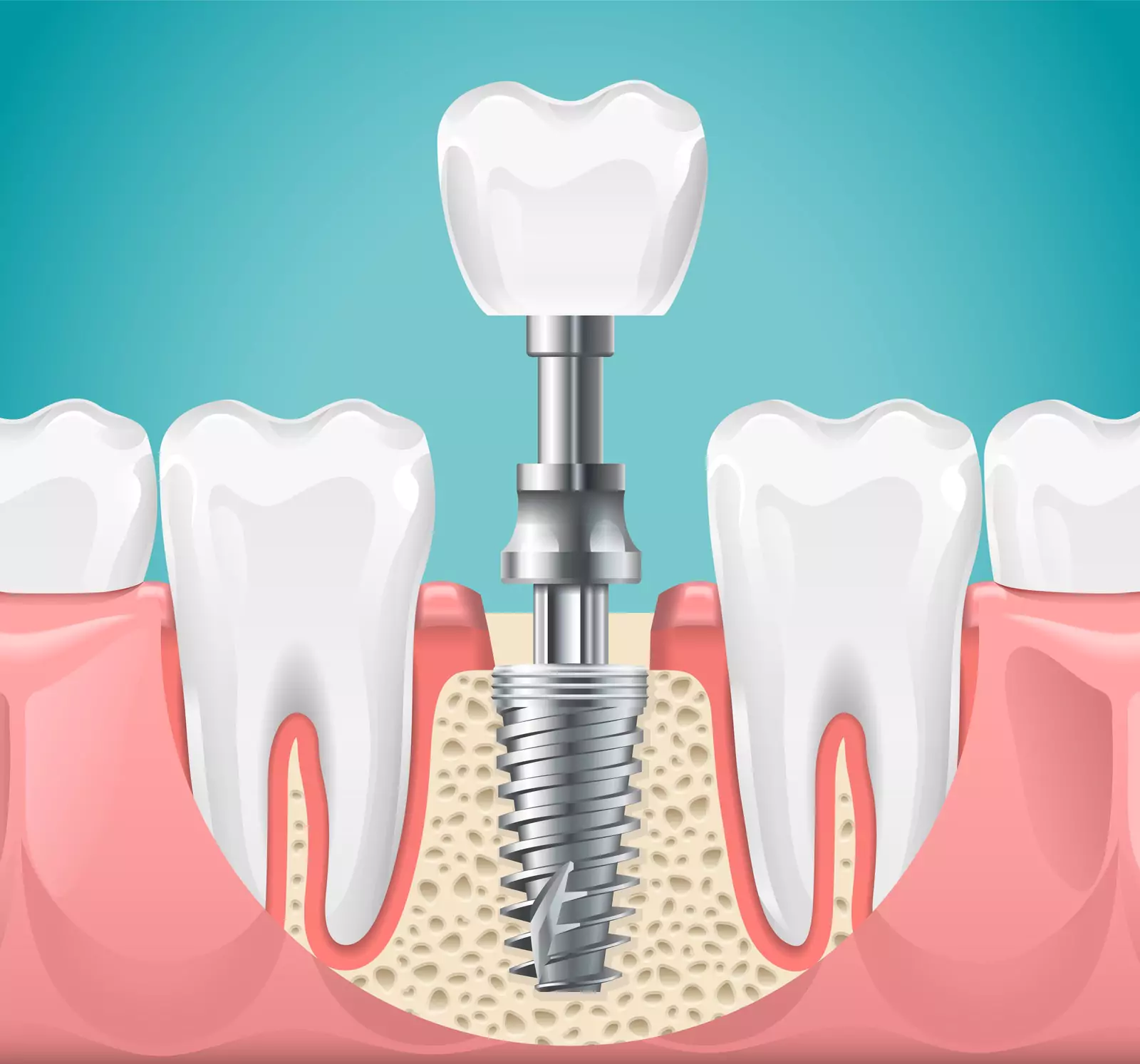
Modern dental implants represent a convergence of metallurgy, biology, and biomechanical engineering. The titanium posts that anchor these prosthetic teeth possess properties that allow them to withstand the relentless demands placed upon them. When patients seek dental implants practitioners can offer solutions backed by decades of clinical evidence demonstrating their longevity and reliability.
The Science Behind Titanium’s Exceptional Performance
Titanium stands as the material of choice for dental implants due to its unique combination of characteristics. This metal exhibits exceptional corrosion resistance, biocompatibility, and a strength-to-weight ratio that surpasses steel. When placed within the jawbone, titanium undergoes a process called osseointegration, whereby bone tissue grows directly onto the implant surface without intervening soft tissue. This biological bonding creates a foundation as stable as natural tooth roots.
Mechanical Properties That Resist Daily Stress
The forces exerted during chewing, grinding, and clenching would quickly fatigue lesser materials. Titanium alloys used in dental implants possess high fatigue resistance, meaning they can withstand millions of loading cycles without developing structural weaknesses. The crystalline structure of titanium naturally resists crack propagation, whilst its elasticity allows slight flexion under load without permanent deformation. These properties ensure that implants respond to everyday wear without accumulating damage that would compromise their function.
Surface Engineering for Enhanced Longevity
Contemporary implants feature specially treated surfaces that accelerate osseointegration and improve long-term stability. Research into surface modifications of dental implants has revealed how microscopic textures and chemical treatments enhance bone cell attachment. These engineered surfaces create mechanical interlocking at the cellular level, distributing forces more evenly across the bone-implant interface and reducing stress concentrations that could lead to failure over time.
How Implants Adapt to the Dynamic Oral Environment
The oral cavity subjects dental implants to constant chemical and thermal challenges. Saliva contains enzymes and acids that would corrode many metals, whilst food and beverages introduce pH variations and temperature changes ranging from near freezing to over 60 degrees Celsius. Titanium’s passive oxide layer continually regenerates when scratched or damaged, providing self-healing protection against these corrosive elements. This regenerative property ensures that implants maintain their structural integrity even after years of exposure to harsh conditions.
Load Distribution and Bone Remodelling
Natural teeth possess periodontal ligaments that cushion impact forces, but implants lack this biological shock absorber. Instead, they rely on direct bone integration to manage stress. The surrounding bone responds to mechanical loading through a process called Wolff’s Law, whereby bone density increases in areas experiencing regular stress. This adaptive remodelling creates an increasingly robust support structure around the implant, actually strengthening the system over time when properly maintained.
The crown component, typically constructed from porcelain or zirconia, must withstand similar forces whilst maintaining aesthetics. These materials possess hardness values comparable to natural enamel, allowing them to resist abrasion from opposing teeth. Modern ceramic formulations demonstrate exceptional wear resistance, with studies showing dental implants can last 25 years or more when properly cared for.
Factors Influencing Long-Term Implant Performance
Whilst the materials themselves possess inherent durability, several factors influence how well implants maintain their integrity over decades. Oral hygiene practices directly affect the health of surrounding tissues, as bacterial accumulation can lead to peri-implantitis, a condition that compromises bone support. Regular professional maintenance and proper home care protocols preserve the biological environment that sustains implant stability.
Biomechanical considerations also play crucial roles. Proper implant positioning, appropriate crown design, and balanced occlusion ensure forces distribute evenly rather than creating damaging stress concentrations. The longevity of dental implants depends significantly on these initial placement decisions and ongoing functional harmony within the dental arch.
The Future of Implant Durability
Decades of clinical experience have validated the exceptional longevity of dental implants, with many first-generation implants from the 1960s still functioning today. Advances in materials science, surface treatments, and surgical techniques continue to improve outcomes, suggesting that contemporary implants may surpass even these impressive benchmarks. The combination of robust materials, biological integration, and thoughtful engineering ensures that dental implants remain amongst the most durable and reliable solutions in restorative dentistry.